The rhythmic whir of a rotary dial or the satisfying click of a push-button phone might seem like relics of a bygone era. Yet, for millions, these weren't just tools for communication; they were portals to magic, often shaped like beloved characters from the Walt Disney Company. The History & Evolution of Disney Themed Telephones is more than just a nostalgic trip; it's a fascinating look at how technology, pop culture, and a touch of whimsy intertwined to create enduring icons of home decor and heartfelt connection.
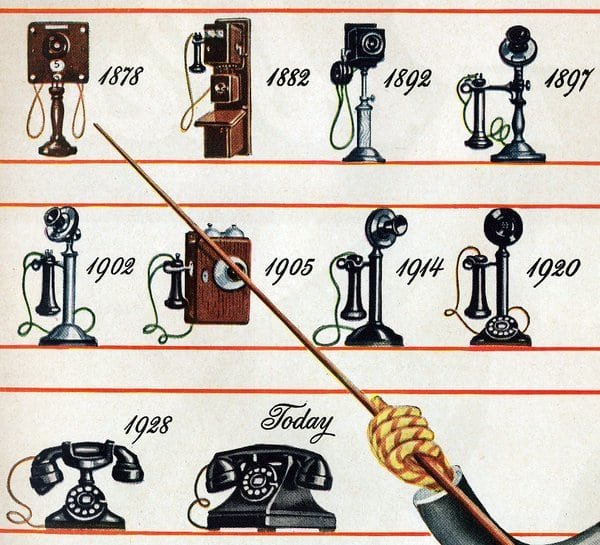
From the moment Alexander Graham Bell patented the telephone in 1876, driven by the desire to transmit speech over distances, this revolutionary device began its march from an elite curiosity to a household necessity. Early phones were bulky, desk-bound status symbols for the wealthy, but through the early to mid-20th century, innovation and infrastructure expansion—accelerated by events like the World Wars—made them increasingly accessible. Rotary dials replaced manual operators, and later, push-button models ushered in an age of direct dialing. As phones became commonplace, they also became canvases for personal expression, eventually paving the way for the enchanting world of Disney-themed telephones.
At a Glance: Key Takeaways from Disney's Themed Telephones
- Pioneers of Personalization: Disney was among the first to transform functional telephones into decorative, character-driven pieces.
- A Golden Era: The 1970s through the early 2000s saw the peak of Disney-themed phone production, aligning with the ubiquity of landlines.
- Iconic Designs: From sculpted Mickey and Minnie Mouse figures to interactive character voices and sound effects, Disney phones pushed design boundaries.
- Collectible Treasures: While their primary function is largely superseded, these phones remain highly sought after by collectors, driven by nostalgia and rarity.
- Evolving Legacy: Though physical landline phones have faded, Disney's presence in communication endures through apps, digital services, and phone accessories.
- More Than a Call: These phones represent a unique blend of technological history, pop culture, and the enduring magic of Disney storytelling.
From Basic Calls to Enchanted Conversations: The Dawn of Themed Telephones
Imagine a time when connecting with loved ones meant a wired device tethered to your wall or desk, operated by a complex network of cables and, initially, human switchboard operators. Early commercial telephone use began in cities like Boston and New York in the late 1870s, with systems relying entirely on these wired networks. For decades, the telephone was purely utilitarian, designed for efficiency and reliability. The sleek, black Bakelite models and later, the more colorful plastic variants of the mid-20th century, were functional but largely devoid of personality.
However, as telephones moved from elite curiosities to common household fixtures by the mid-20th century, a new desire began to emerge: personalization. People wanted their homes to reflect their tastes, and why should the telephone be any different? This shift coincided perfectly with the rise of mass consumer culture and, crucially, the expanding empire of the Walt Disney Company.
Disney, having already captured hearts through film, television, and theme parks, was a master of merchandising. Licensing its iconic characters for everything from toys to clothing was a natural extension of its brand. It was only a matter of time before these beloved characters made their way onto the most ubiquitous communication device in American homes. The idea was simple yet revolutionary: transform a mundane object into a piece of art, a conversation starter, and a source of joy.
The Golden Age of Disney Telephones (1970s - early 2000s)
The true heyday of Disney-themed telephones unfolded from the late 1970s through the turn of the millennium. This was an era when landlines were king, and having a distinctive phone in your kitchen, den, or bedroom was a statement. Disney phones weren't just functional; they were decorative, whimsical, and often interactive.
The Mickey Mouse Phone Phenomenon
When you think "Disney phone," chances are the image of a smiling Mickey Mouse, perhaps with one hand holding the receiver and the other waving, immediately springs to mind. Mickey Mouse, as the undisputed icon of the Walt Disney Company, was the natural choice to lead the charge into the themed telephone market. These early Mickey phones, often featuring him in a seated or standing pose, quickly became bestsellers. They weren't merely phones with a picture of Mickey; they were often intricately sculpted pieces that perfectly integrated the phone's components into the character's form.
The original Mickey Mouse phones, often produced by companies like TeleConcepts or GTE, set the standard for what a character phone could be. They weren't just for kids; adults who loved Disney appreciated the quality craftsmanship and the undeniable charm. Many models featured a classic rotary dial integrated into Mickey's base or, as technology advanced, push-buttons cleverly designed into the sculpture. If you're looking to dive deeper into these iconic devices, Your Mickey Mouse phone guide offers an excellent resource for collectors and enthusiasts.
Beyond Mickey: A Cast of Characters
While Mickey was the undeniable star, he certainly wasn't alone. As the popularity of Disney phones soared, a full cast of characters joined the lineup, appealing to a broader range of fans and personal preferences:
- Minnie Mouse: Often a companion piece to Mickey, Minnie phones exuded charm with her polka dots and bow.
- Donald Duck & Goofy: These characters brought their distinctive personalities to the phone designs, often with humorous poses.
- Classic Disney Princesses: Elegant designs sometimes featured Cinderella, Snow White, or Sleeping Beauty.
- Winnie the Pooh and Friends: The Hundred Acre Wood characters offered softer, often cuddly, designs perfect for children's rooms.
- The Disney Villains: Though less common, villain-themed phones offered a darker, edgier aesthetic for certain collectors.
- Pixar Characters: With the advent of Pixar, characters like Woody and Buzz Lightyear from Toy Story also made their appearance on themed phones in the late 90s and early 2000s.
Each character offered a unique take, ensuring there was a Disney phone for every fan.
Form Meets Function (and Fun): Design & Features
What made these phones more than just novelty items was the thoughtful integration of design and function. The manufacturers worked closely with Disney to ensure quality and authenticity.
- Rotary vs. Push-Button: Early models, particularly in the 1970s and early 80s, often featured a rotary dial, sometimes ingeniously incorporated into the character's base or a visible circle on the front. As push-button technology became standard by the mid-80s, designs adapted, with buttons often hidden or artfully integrated into the phone's aesthetic.
- Sculpted Designs & Materials: Most Disney phones were sculpted from durable ABS plastic, meticulously painted to capture the character's essence. Their size varied, from compact desk models to imposing, larger-than-life character figures.
- Sound Effects and Character Voices: This was a game-changer. Many Disney phones featured custom sound effects. Imagine the ring of your phone replaced by Mickey's cheerful "Oh, boy!" or "Hot dog!" or even a snippet of a classic Disney tune. These interactive elements transformed the act of making or receiving a call into a mini-experience, adding another layer of magic.
- Special Editions and Limited Runs: To keep interest high and cater to collectors, Disney and its licensees produced special edition phones, often commemorating anniversaries, movie releases, or theme park events. These limited runs are particularly sought after in today's secondary market.
These phones weren't simply manufactured; they were designed to evoke joy and a sense of connection to the magical world of Disney, appealing to both children captivated by the characters and adults seeking a touch of whimsy in their everyday lives.
The Digital Shift: A Farewell to Landlines (and Most Themed Phones)
The landscape of personal communication began to dramatically shift in the late 20th and early 21st centuries. The very infrastructure that supported landline phones – costly analog networks, later enhanced by fiber optic cables and digital switching – was being rapidly overtaken by new technologies.
The advent of cell phones in the late 1980s and their widespread adoption in the 1990s marked the beginning of the end for the landline's dominance. Initially expensive with peak-hour charges, cell phone plans quickly became more competitive, offering mobility and an expanding suite of features beyond simple voice calls: text messaging, email, and eventually, full internet access and apps with the rise of smartphones. The value proposition of cell phones, offering unparalleled freedom and comprehensive communication solutions, soon far outweighed the traditional landline, often even proving more cost-effective with bundled plans.
Simultaneously, Voice over Internet Protocol (VoIP) emerged, leveraging existing internet infrastructure for calls. This innovation made long-distance calls significantly cheaper and offered advanced features like video conferencing, voicemail transcription, and call forwarding. For many businesses and tech-savvy households, VoIP systems offered flexibility and scalability that landlines simply couldn't match.
These twin forces – the ubiquity of cell phones and the cost-effectiveness of VoIP – led to a dramatic reduction in landline use. Households began "cutting the cord," opting for mobile-only communication. For Disney-themed telephones, this meant a shrinking market. Production dwindled as the demand for dedicated, decorative landline phones all but vanished. Why would you buy a specialized desktop phone when your mobile device fit in your pocket and did so much more?
While landlines still offer reliability during internet outages and potentially lower basic service costs for some, their role has largely been relegated to niche uses. Consequently, the era of regularly releasing new, elaborate Disney-themed landline telephones came to a quiet close. The focus for Disney's presence in personal communication shifted from physical phone units to phone accessories (cases, chargers), digital content (apps, games), and integrated experiences on modern smart devices.
The Collector's Corner: Navigating the Disney Phone Market Today
For many, the physical Disney phone has transitioned from a functional communication device to a cherished collectible, a tangible piece of pop culture history. If you're looking to acquire one or simply understand the value of a piece you already own, the market can be both exciting and complex.
What Makes a Disney Phone Valuable?
Several factors influence the desirability and price of a Disney-themed telephone:
- Condition is King:
- Working Order: Does it still dial? Does it ring? Do any integrated sound effects or lights still function? A fully functional phone, even if just for display, commands a higher price.
- Cosmetic State: Look for scratches, cracks, fading paint, or missing pieces (e.g., the receiver, a character's arm, original cords). Original, intact pieces are always more valuable.
- Original Packaging: A phone still in its original box with all inserts (manuals, warranty cards) is highly prized by collectors.
- Rarity and Character:
- Limited Editions: Phones produced in smaller quantities or for specific events tend to be more valuable.
- Specific Characters: While Mickey is popular, certain lesser-produced characters or unique poses might be rarer.
- Age: Older, well-preserved models from the 70s and 80s can fetch higher prices.
- Manufacturer & Provenance: Some manufacturers are known for higher quality, and knowing the history (e.g., "came from a Disney executive's private collection") can add value.
- Completeness: Having all original cords, adapters, and manuals significantly enhances value.
Identifying Authenticity: Common Pitfalls
With any collectible, fakes and reproductions can exist, though they are less common for Disney phones compared to other memorabilia.
- Examine Markings: Look for official Disney licensing marks, model numbers, and manufacturer names (e.g., "TeleConcepts," "GTE," "Walt Disney Company"). These are usually found on the bottom or back of the phone.
- Quality of Materials: Original Disney phones were generally well-made. Flimsy plastic, poor paint application, or obvious shortcuts can be red flags.
- Research Specific Models: Use online databases, collector forums, or reference books to compare photos of authentic models with the one you're examining. Be wary of models you've never seen before unless they come with verifiable provenance.
Care and Maintenance for Your Disney Relic
Preserving your Disney phone ensures its longevity and value.
- Cleaning: Use a soft, damp cloth with mild soap for surface cleaning. Avoid harsh chemicals or abrasive cleaners that can damage paint or plastic. For hard-to-reach areas, a soft brush or cotton swab can be helpful.
- Storage: Keep phones out of direct sunlight to prevent fading and away from extreme temperatures or high humidity to avoid material degradation. Display them on sturdy, level surfaces.
- Basic Troubleshooting: If your phone isn't working, check the cord connections first. For sound issues, ensure batteries (if applicable) are fresh. For deeper electrical problems, consult a specialist in vintage electronics, as attempting complex repairs yourself can cause further damage.
Where to Find Them
The hunt for a specific Disney phone can be part of the fun:
- Online Marketplaces: eBay, Etsy, and specialized collector sites are prime hunting grounds. Be sure to scrutinize photos and read descriptions carefully, and always check seller reviews.
- Antique Stores & Flea Markets: You might stumble upon a hidden gem, often at a more negotiable price.
- Thrift Stores & Estate Sales: These require patience but can yield incredible finds.
- Collector Shows & Conventions: Connecting with other enthusiasts can lead to discovering rare pieces or learning valuable insights.
Beyond the Dial Tone: Disney's Future in Communication
While the era of the physical Disney-themed landline telephone may have passed, Disney's enduring influence on how we connect and interact continues to evolve with technology. The future of communication, much like the original telephone itself, is being shaped by convenience, integration, and personalization.
We're entering an age where phones are no longer just devices but seamless extensions of our lives, anticipated to integrate deeply and even predict our needs. Imagine your phone, powered by advanced AI assistants like Google Assistant, not just making calls but proactively filtering messages, scheduling appointments, and managing smart home devices with a Disney-themed voice or interface.
The realms of Augmented Reality (AR) and Virtual Reality (VR) are set to blur the lines between the physical and digital, transforming how we communicate and experience content. Disney is already a leader in immersive storytelling, and it's easy to envision AR-enabled phones allowing you to virtually place Disney characters in your living room, interact with theme park maps in new ways, or engage in immersive video calls that feel like a meeting inside a Disney movie. Tools already exist for things like virtual furniture placement (e.g., Amazon, Wayfair), and Disney's potential here is boundless.
Interactions will also become more fluid. Flexible phones that fold and bend, and wearable technology—from smart bracelets and glasses to clothing embedded with tech—will offer biometric monitoring and truly hands-free communication. Picture a Disney-branded wearable that offers instant character interactions or allows you to make calls with a simple gesture, monitoring your health while connecting you to the Disney universe.
Security, too, will advance beyond current fingerprint and facial recognition. Sophisticated biometrics will secure our devices and identities in ways we're just beginning to imagine. Future phones are also expected to feature significantly improved battery life and be manufactured with sustainability in mind, using recycled materials and eco-friendly processes—a reflection of growing global consciousness.
In this new frontier, Disney's presence won't be in the form of a sculpted landline but in the digital layers, the interactive experiences, and the personalized magic woven into the fabric of our future communication devices. The spirit of connection and enchantment that once defined the Disney-themed telephone will continue, simply in new, more integrated forms.
Your Next Call: Connecting with Disney's Legacy
The History & Evolution of Disney Themed Telephones is a charming side story in the grand narrative of telecommunications. It's a tale of how a company built on imagination took a utilitarian device and infused it with joy, transforming it into a piece of art and a beloved household item. These phones remind us that technology, at its best, doesn't just serve a purpose; it connects us, entertains us, and sometimes, even brings a little magic into our everyday lives.
Whether you're a seasoned collector meticulously searching for a rare model, someone rediscovering a cherished childhood possession in the attic, or simply fascinated by the intersection of technology and pop culture, Disney-themed telephones offer a unique lens through which to view history. They stand as a testament to an era when a simple phone call could also be an encounter with your favorite character, a small dose of enchantment in a world that always needs a little more magic. As communication continues to evolve at lightning speed, these delightful devices serve as a tangible link to a simpler time, inviting us to reflect on how far we've come and the enduring power of Disney to make us smile.