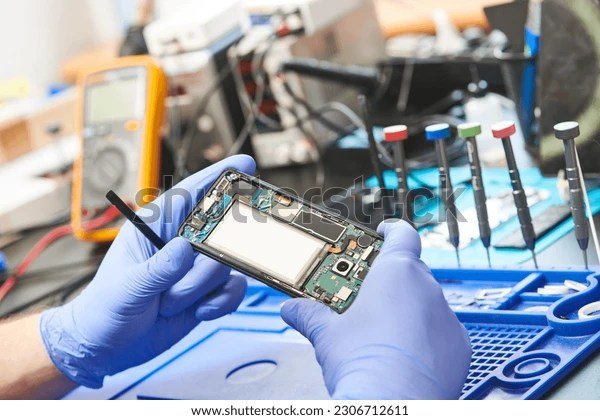
The whimsical charm of a themed telephone is undeniable. Whether it’s a rotary dial Mickey Mouse, a Star Wars R2-D2, or a vintage Coca-Cola bottle phone, these unique devices do more than just make calls – they spark joy and serve as conversation pieces. But like any cherished item, they often show their age. That's where the art and science of Repair, Restoration, and Care for Themed Telephones comes in, transforming a dusty relic into a functioning piece of history, or a vibrant pop culture icon.
Breathing new life into these delightful devices can be a deeply rewarding endeavor. It’s not just about fixing a broken wire; it’s about preserving a slice of design history, rekindling nostalgia, and ensuring these quirky gadgets continue to make us smile. This guide will walk you through everything you need to know, from basic cleaning to complex component replacement, helping you tackle common issues with confidence.
At a Glance: Bringing Your Themed Phone Back to Life
- Assess Carefully: Before you touch a screwdriver, understand your phone's condition, value, and your own comfort level with repairs.
- Start Simple: Many issues are resolved with thorough cleaning, tightened connections, or a new cord. Don't jump to complex repairs first.
- Safety First: Always unplug the phone before opening it up. Handle internal components with care.
- Gather Your Tools: A basic toolkit (screwdrivers, pliers, multimeter) and specialized cleaning supplies are essential.
- Know Your Limits: Some repairs require expertise in electronics. Don't hesitate to seek professional help for intricate or rare models.
- Preserve, Don't Destroy: Aim for restoration that maintains the phone's original character and value where possible.
- Long-Term Care: Proper display and environmental conditions are key to preventing future damage and preserving your phone's new lease on life.
The Enduring Appeal of Themed Telephones
Why invest time and effort into a phone that, let's be honest, might not even be your daily driver? The answer lies in their unique blend of artistry, utility, and nostalgia. Themed telephones emerged as a vibrant expression of consumer culture, particularly from the 1970s through the 1990s, when they allowed people to showcase their personalities or interests right on their desks.
These weren't just phones; they were functional sculptures, miniature art pieces that celebrated everything from cartoon characters to classic cars. Today, they represent a tangible link to a bygone era, often evoking strong memories of childhood or simpler times. Beyond sentiment, many themed phones, especially limited editions or those from well-known manufacturers, have appreciated in collector value. A well-maintained or expertly restored themed phone isn't just a quirky gadget; it's an investment in a unique piece of cultural history.
Stepping Back: The Collector's Mindset Before You Start
Before you dive headfirst into disassembly, take a moment to understand what you're dealing with and what your goals are. This initial assessment is crucial.
Evaluating Condition vs. Value
A themed phone’s value is often dictated by its rarity, condition, and original manufacturer. A pristine, boxed example will naturally fetch more than one with heavy wear, but even a non-working, cosmetically flawed piece might be worth restoring if it's particularly rare or significant. Check online marketplaces and collector forums to gauge comparable sales. Is your goal to restore it to mint condition for display, or simply to get it functioning again for occasional use? This will guide your efforts.
Originality Versus Functionality: Finding the Balance
For serious collectors, preserving originality is paramount. This means using period-correct parts, original finishes, and minimizing irreversible modifications. However, if your primary goal is functionality in a modern home, you might consider replacing a damaged cord with a generic modern equivalent or even converting a pulse-dial rotary phone for tone dialing (if technically feasible and you're comfortable with the irreversible nature of such a modification). Understanding your priorities upfront prevents regret later.
Safety First, Always
This can't be stressed enough: always unplug the telephone from the wall jack before beginning any work. While household telephone lines carry low voltage, older phones might have internal components (like capacitors) that can store a charge. Furthermore, you'll be working with tools and potentially exposed wiring. Make sure you're in a well-lit area, and consider wearing safety glasses.
Understanding Your Themed Telephone's Anatomy
Most themed telephones, regardless of their outward appearance, share a common internal architecture. Familiarizing yourself with these basic components will demystify the repair process.
- Housing/Casing: The decorative exterior, often made of plastic, sometimes metal or a combination. This is where the "theme" really comes to life.
- Handset: Comprising the speaker (receiver) and microphone (transmitter).
- Dial/Keypad: The interface for inputting numbers. This can be a traditional rotary dial, a mechanical push-button keypad, or an electronic push-button keypad.
- Ringer: The mechanism that alerts you to an incoming call. Older phones used mechanical bells; newer ones often have electronic chimes.
- Line Cord: Connects the phone to the wall jack.
- Handset Cord: Connects the handset to the main phone body.
- Hookswitch: The mechanism that detects whether the handset is "on-hook" (hung up) or "off-hook" (in use). Crucial for dial tone and call termination.
- Circuit Board/Internal Wiring: The "brains" of the operation, containing the electronic components and wiring that make the phone function. Many Mickey Mouse phones, for instance, feature relatively simple circuit boards that are surprisingly resilient.
The majority of themed phones are either mechanical (rotary dial, physical bells) or electro-mechanical (push-button, but still using some mechanical switches), with later models becoming fully electronic. Knowing which type you have will help in diagnosing issues.
Phase 1: Cleaning and Basic Maintenance — The "Care" Component
You'd be surprised how many "broken" phones are simply suffering from years of accumulated grime. Basic cleaning and maintenance are often the first, and most effective, steps in revival.
Dusting and Light Cleaning
Start with the basics. Use a soft brush (like a clean paintbrush or an old toothbrush) and compressed air to remove dust and loose debris from all crevices, especially around the keypad or rotary dial. For the exterior, a soft, damp cloth with a mild, non-abrasive household cleaner is usually sufficient. Avoid harsh chemicals that could damage plastics or painted surfaces.
Deep Cleaning Plastic and Metal Surfaces
- Plastics: For more stubborn grime on plastic housings, a mixture of warm water and a small amount of dish soap works well. Use a microfiber cloth or soft sponge. For textured surfaces, a soft brush might be needed. Rinse thoroughly with a clean, damp cloth and dry immediately.
- Metals: If your themed phone has metal accents (like chrome trim or bell gongs), polish them carefully. Use a metal polish appropriate for the specific metal (e.g., chrome polish for chrome, brass polish for brass). Always test in an inconspicuous area first.
Cord Inspection and Minor Repairs
Cords are often the first points of failure.
- Line and Handset Cords: Examine them for fraying, cracks, or exposed wires. A damaged cord can lead to intermittent connections, static, or no dial tone at all. If a cord is badly damaged, replacement is usually the best option. Many modern modular cords can be swapped directly. Older, hard-wired cords might require soldering skill.
- Cleaning Cord Contacts: If your phone uses modular (plug-in) cords, disconnect them and use a cotton swab lightly dampened with electrical contact cleaner (available at electronics stores) to clean the metal contacts inside the jacks and on the cord ends. Oxidized contacts are a frequent culprit for poor connections.
Cleaning Internal Contacts and Switches
Once you've opened the phone (remember: unplugged!), look for any visibly dirty or corroded switch contacts. The hookswitch (where the handset rests) is a common area. Carefully apply a small amount of electrical contact cleaner and actuate the switch a few times to work it in. Avoid over-spraying, and let it dry completely before reassembling.
Phase 2: Diagnosing Common Issues — The "Repair" Component
Once clean, if problems persist, it’s time for a deeper dive. Many issues have predictable causes.
No Dial Tone / Cannot Dial Out
This is perhaps the most common and frustrating problem.
- Check the Cord: First, confirm the line cord is securely plugged into both the phone and the wall jack. Try a known-good cord if you have one.
- Test the Line: Plug another phone (a known-working one) into the same wall jack. If it also has no dial tone, the issue is likely with your phone line, not the themed phone. Contact your phone service provider.
- Hookswitch: Is the hookswitch fully engaging and disengaging? If it's sticky or bent, it might not be making proper contact, causing the phone to constantly think it's "off-hook" or "on-hook." Clean or gently adjust it.
- Rotary Dial: For rotary phones, the dial mechanism itself can become stiff or dirty. Gently cleaning around the finger wheel and inspecting for obstructions can help.
- Keypad Issues: For push-button phones, a sticky button might be preventing the phone from going off-hook, or the keypad contacts themselves might be dirty or worn.
No Incoming Ring
- Ringer Switch: Many phones have a ringer on/off switch. Check this first! It's often located on the base of the phone or under the handset.
- Ringer Mechanism: For mechanical bell ringers, check if the clapper is free to move and not obstructed by wires or debris. The ringer coils might also have an open circuit, which is a more complex repair requiring a multimeter to diagnose.
- Line Voltage: Ensure your phone line is indeed supplying ringing voltage. Again, testing with a known-good phone helps isolate the problem.
Static / Poor Audio Quality
- Handset Cord: The coiled handset cord is subject to constant flexing and is a frequent source of intermittent static. Try jiggling it while listening to the dial tone. Replacement is often the easiest fix.
- Handset Elements: The receiver (speaker) and transmitter (microphone) elements within the handset can degrade over time. These are typically replaceable.
- Internal Connections: Check all soldered connections and wire crimps inside the phone for looseness or corrosion. A gentle tug on wires can reveal weak points.
- Volume Control: Some phones have a volume control for the receiver. Ensure it's not set too low.
Stuck Buttons / Dial / Physical Damage
- Stuck Buttons: Often caused by dirt or sticky residue. Disassemble the keypad and clean the buttons and their housings thoroughly.
- Stiff Rotary Dial: Lubrication (sparingly, with a non-conductive, plastic-safe lubricant like silicone grease) can help. Be careful not to get lubricant on electrical contacts.
- Cracks/Missing Pieces: For plastic housings, small cracks can sometimes be repaired with plastic epoxy or solvent welding (using a chemical designed to melt and bond plastics). Missing pieces are much harder to address; sometimes, finding a "donor" phone for parts is the only option, or fabricating a replacement if you have the skills.
Phase 3: The Deep Dive into Restoration
Restoration goes beyond simple repair, aiming to bring the phone closer to its original aesthetic and functional glory.
Cosmetic Revival: Making it Look New Again
- Plastic Yellowing (Retrobrighting): Many vintage plastics, especially light-colored ones, develop an unsightly yellow hue due to UV exposure and flame retardants in the plastic. "Retrobrighting" (using hydrogen peroxide and UV light) can reverse this, but it requires caution. The process can be inconsistent, potentially weakening the plastic over time, and might not be suitable for all types of plastic or painted surfaces. Always test a small, hidden area first.
- Paint Touch-Ups / Repainting: For painted themed phones, minor scratches can sometimes be carefully touched up with matching acrylic paints. If the paint is extensively damaged, a full repaint might be necessary. This is a skilled job requiring careful masking, priming, and several thin coats. Be aware that repainting significantly impacts originality.
- Decal and Sticker Restoration: Many themed phones feature prominent decals. If these are peeling or faded, finding replacements can be challenging. Sometimes, careful adhesion with clear glue or a protective clear coat can save them. For severely damaged ones, you might need to create custom reproductions if originality is a concern.
- Metal Polishing: As mentioned in cleaning, careful polishing of metal parts restores their luster.
- Replacing Worn Parts: This includes replacing deteriorated rubber feet, damaged cords, and cracked plastic components (if donor parts can be sourced).
Functional Restoration: Bringing Back the Ring and Dial Tone
- Component Replacement:
- Ringer: If the ringer coils are open or the electronic ringer circuit is dead, you might need to replace the entire ringer assembly or specific electronic components (capacitors, transistors) if you have soldering skills and diagnostic tools. The ATCA (American Telephone Collectors Association) offers extensive resources and tips on telephone restoration, including details on component repair.
- Hookswitch Assembly: A worn or damaged hookswitch is often replaced as a unit if parts are available.
- Capacitors: In older phones, electrolytic capacitors can dry out and fail, causing issues like static or low volume. Replacing them requires soldering and knowledge of electronics.
- Receiver/Transmitter Elements: These are usually plug-and-play replacements once the handset is opened.
- Circuit Board Repair: For electronic themed phones, circuit board repair can be complex. This involves troubleshooting with a multimeter, identifying failed components, and precise soldering. Unless you have experience with electronics repair, this might be best left to a professional.
- Rotary Dial Mechanism Overhaul: Rotary dials often benefit from a full disassembly, cleaning of all gears and springs, and light lubrication. The governor (which controls dialing speed) is particularly delicate. Improper lubrication can impede its function.
- Keypad Repair/Replacement: For mechanical keypads, cleaning contacts is key. For electronic keypads, individual button switches or the underlying circuit board might need attention.
- Modifying for Modern Use: If your phone is a pulse-dial rotary and you need it to work on a modern tone-dialing line, conversion kits are sometimes available. These typically involve installing a small circuit board that translates pulse signals into tone signals. Be aware that these modifications are often permanent and impact originality.
Tools of the Trade: What You'll Need
Having the right tools makes all the difference in a smooth repair and restoration process.
Basic Toolkit
- Screwdrivers: A variety of Phillips head and flathead screwdrivers (small to medium sizes). Jewelers' screwdrivers are also useful for tiny screws.
- Pliers: Needle-nose pliers for manipulating small wires and components.
- Wire Strippers/Cutters: Essential for working with cords and internal wiring.
- Multimeter: An invaluable diagnostic tool to check for continuity, voltage, and resistance. Even an inexpensive digital multimeter will suffice for most phone repairs.
- Magnifying Glass/Head Visor: To inspect tiny components and solder joints.
- Tweezers: For handling small parts.
Specialized Tools and Supplies
- Soldering Iron & Solder: If you're tackling component replacement or cord repairs, a temperature-controlled soldering iron (25-40 watts) is ideal. Use rosin-core electrical solder.
- Desoldering Pump/Braid: To remove old solder.
- Electrical Contact Cleaner: A spray cleaner for switches and contacts.
- Rubbing Alcohol (IPA): Good for cleaning circuit boards and general grime.
- Cotton Swabs & Microfiber Cloths: For precise cleaning.
- Plastic-Safe Lubricant: Silicone grease or similar for moving mechanical parts.
- Plastic Epoxy/Adhesive: For crack repairs or reattaching small plastic pieces.
- Heat Gun (Optional): For applying heat shrink tubing to insulate repaired wires.
- Hydrogen Peroxide Cream/Liquid (for retrobrighting, use with extreme caution): If attempting plastic yellowing reversal.
- Protective Gloves & Safety Glasses: Always.
When to Call a Professional: Knowing Your Limits
While much of themed telephone repair and restoration is DIY-friendly, there are times when bringing in a professional is the smartest move.
- Complex Electronics: If your phone has intricate circuit boards and you lack electronic troubleshooting skills, attempting repairs can cause more damage.
- Rare or Highly Valuable Models: For museum-quality pieces or extremely rare editions, even minor mistakes can significantly devalue the phone. A professional will have the expertise and specialized tools to handle it correctly.
- Safety Concerns: If you're unsure about wiring, high voltage (though rare in phones, always be cautious), or if a repair feels beyond your comfort zone, stop and seek help.
- Lack of Specialized Parts: Sometimes, unique components simply aren't available, and a skilled restorer might have networks or fabrication abilities to source or recreate them.
The American Telephone Collectors Association (ATCA) website (atcaonline.com) is an excellent resource for finding information on restoration services or connecting with experienced collectors who might offer advice or even repair services. They have a wealth of "Restoration Information" for various types of telephones.
Preserving Your Piece of History: Long-Term Care
Once your themed telephone is repaired and restored, proactive care will ensure it remains a joy for years to come.
Environmental Control
- Temperature and Humidity: Avoid extreme fluctuations. High humidity can lead to corrosion and mold, while very dry conditions can cause plastics to become brittle. A stable indoor environment is best.
- Sunlight: Direct sunlight is the enemy of plastic. UV rays accelerate yellowing and can fade colors. Display your phone away from windows or in a location with filtered light.
Display Considerations
- Stable Surface: Ensure the phone is placed on a stable, flat surface where it won't be easily knocked over.
- Avoid Overcrowding: Give your themed phone space. Overcrowding can lead to accidental damage.
- Dust Protection: Consider a display case for particularly valuable or delicate phones to protect them from dust and accidental bumps.
Regular Light Cleaning
A quick dusting with a soft brush or microfiber cloth every few weeks will prevent the buildup of grime, making deep cleaning less frequent and less necessary.
Frequently Asked Questions About Themed Telephone Restoration
Can I use an antique or vintage themed phone with modern phone lines?
Most analog themed phones can still be used with modern landlines if they are functional. However, there are a few caveats:
- Rotary (Pulse Dialing): Many modern VoIP (Voice over IP) or digital phone services may not recognize pulse dialing. You might get a dial tone but can't dial out. Some services do support it, or you can use a pulse-to-tone converter.
- Ringer Equivalence Number (REN): Older phones don't have an REN. Too many phones on one line can draw too much current and prevent them from ringing properly. Most homes can support 3-5 phones without issue.
- VoIP Adapters: If you only have internet-based phone service, you'll need an Analog Telephone Adapter (ATA) to convert the digital signal to an analog one that your themed phone can use.
Is it worth restoring a broken themed phone?
"Worth" is subjective.
- Financial Value: For rare or highly collectible models, restoration can significantly increase its market value. For common models, the cost of professional restoration might exceed its market value.
- Sentimental Value: If the phone has personal significance, restoration is always worth it, regardless of monetary value.
- Personal Enjoyment: If you enjoy the process of bringing things back to life, and you want to use or display the phone, then it's certainly worth the effort.
Where can I find replacement parts for my themed telephone?
Finding original replacement parts can be a treasure hunt!
- Donor Phones: Often, the best source is another identical (or very similar) non-working phone that can be harvested for parts. Check online marketplaces and flea markets.
- Specialty Suppliers: Some online electronics suppliers or vintage phone parts dealers might carry generic components like cords, ringer elements, or capacitors that are compatible.
- Collector Networks: Forums and associations like the ATCA are excellent places to ask for help in sourcing specific parts or to find leads from other collectors.
- 3D Printing: For non-critical plastic pieces (like battery covers or small trim pieces), 3D printing can sometimes be an option if you have access to the technology and can create or find a design.
Bringing Your Themed Phone Back to Life
The journey of repair, restoration, and care for themed telephones is a rewarding one, whether you're bringing a family heirloom back to full function or rescuing a unique piece of pop culture from the brink. It’s an act of preservation, a nod to craftsmanship, and a delightful way to keep these charming devices ringing in the future. Armed with a little knowledge, the right tools, and a healthy dose of patience, you're now ready to embark on this engaging endeavor and ensure your themed telephone continues to tell its story.